Asian Eyelid Surgery or Double Eyelid Surgery
Asian eyelid surgery — also called double eyelid surgery or Asian blepharoplasty — is a specialized procedure designed to create a defined upper eyelid crease in patients who were born without one or with a minimal, asymmetric crease. Roughly half of patients of East Asian descent have what is referred to as a “single eyelid” — an upper lid without the supratarsal crease found in most other populations. For some patients, the absence of this crease has no aesthetic concern; for others, it limits the visible eyelid area, makes the eyes look smaller or heavier, and creates difficulty applying eye makeup. Asian eyelid surgery establishes a natural, well-proportioned crease while preserving the patient’s individual ethnic features — the goal is refinement, never Westernization. Asian eyelid surgery is one of the surgical options for the eyes and brows at Dr. Khosh’s Park Avenue practice in New York City.
Dr. Maurice Khosh’s approach to Asian eyelid surgery is shaped by three decades of operating around the eye and a deep respect for the cultural and aesthetic considerations that distinguish this procedure from standard blepharoplasty. Dual board-certified in facial plastic and reconstructive surgery and otolaryngology–head and neck surgery, Dr. Khosh brings the orbital anatomical precision and aesthetic sensitivity this delicate procedure demands. A lifelong student of figure drawing and calligraphy, he approaches each case as an exercise in proportion — creating a crease height and contour that reflects the patient’s individual features rather than imposing a universal template.
A Philosophy of Respecting Ethnic Features
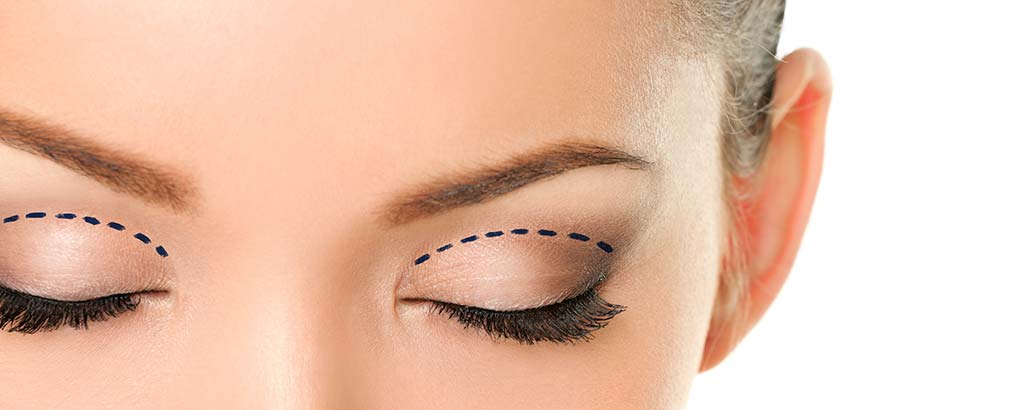
The most important conversation in Asian eyelid surgery happens before the procedure. The goal is not to create a “Western” eye — it is to create the kind of natural crease many East Asian patients are born with, calibrated to that individual’s facial proportions. Crease height, shape, and depth all vary considerably across patients, and the right surgical plan reflects each patient’s specific anatomy and aesthetic preference. During consultation, Dr. Khosh discusses crease height options (parallel, tapered, or fanned), reviews photos of natural creases that match the patient’s preferences, and ensures expectations are clearly aligned before the procedure.
“Asian eyelid surgery has a long history of being misunderstood — by both patients and providers. The procedure isn’t about changing ethnicity. It’s about creating the same natural crease that many East Asian patients are born with, in a way that fits the individual’s face. That distinction shapes every decision, from crease height to suture placement.” — Dr. Maurice Khosh
Surgical Techniques for Asian Eyelid Surgery
Dr. Khosh offers two primary approaches to Asian eyelid surgery, with selection based on the patient’s anatomy, desired outcome, and individual preference:
- Incisional Technique: A small incision is made along the planned crease, allowing precise removal of a small amount of excess skin, fat, or muscle when needed, and creation of a permanent, well-defined crease
- Suture (Non-Incisional) Technique: Fine sutures are placed through small openings in the upper lid to create the crease without an incision, suitable for patients with minimal excess skin and a desire for less downtime
- Combined Procedures: Asian eyelid surgery can be performed alongside epicanthoplasty (inner corner refinement), ptosis correction (if a drooping eyelid is contributing to the appearance), or lower eyelid procedures for comprehensive periorbital rejuvenation
- Custom Crease Design: Each crease is individually planned based on the patient’s anatomy, eye shape, and aesthetic preferences regarding parallel, tapered, or fanned crease contours
What to Expect from the Procedure
Asian eyelid surgery is typically performed under local anesthesia with light sedation in Dr. Khosh’s Park Avenue office. The procedure usually takes one to two hours depending on the technique selected. Patients are sent home the same day with detailed care instructions. Most experience some swelling and mild bruising for the first one to two weeks; bruising typically resolves more quickly than swelling. Sutures from the incisional technique are usually removed within one week. The crease is visible immediately but continues to refine over the following several months as the tissues settle and the final result matures.
Why Patients Choose Dr. Khosh for Asian Eyelid Surgery
- Three Decades of Orbital Surgical Experience: Deep familiarity with eyelid anatomy across diverse patient populations
- Both Surgical Techniques Available: Incisional and suture-based approaches, selected based on the patient’s anatomy and goals
- Aesthetic Sensitivity: A philosophy of refinement and proportion that respects each patient’s individual ethnic features
- Honest Consultation: Clear discussion of crease options, expectations, and what surgery can and cannot deliver
Schedule Your Consultation in Manhattan
If you are considering Asian eyelid surgery, the most important step is finding a surgeon who understands the procedure’s cultural context as well as its technical demands. Dr. Khosh offers consultations to discuss your goals, evaluate your individual anatomy, and design a surgical plan tailored to your features. To schedule a consultation at Dr. Khosh’s Park Avenue office in New York City, call (212) 339-9988 or contact us online to request an appointment.
Click Here to See Blepharoplasty, Eyelid Lift Photo Gallery